
For a limited time only
Special Maintenance Takeover: 50% off the takeover fee
We carry out a full service on your fire alarm before we take it on, so you know exactly where you stand. After that, we visit twice a year for standard servicing and reviews.
Offer applies when you take a 12-month maintenance agreement. Terms apply.
Commercial Fire Alarm Maintenance Services
Commercial buildings carry a legal and moral responsibility to maintain fire detection systems that actually work. A fire alarm that hasn’t been properly serviced isn’t just a compliance risk, it’s a genuine threat to the people inside and the business itself. Faults build up quietly. Sensors degrade. Batteries fail. And often, nobody notices until it matters most.
At RJ Wilson, we provide commercial fire alarm maintenance that goes beyond a quick visual check and a signature on a sheet. We service systems the way they should be serviced, thoroughly, on schedule, and with honest reporting on anything that needs attention. The goal is straightforward. Keep your system reliable, keep your building compliant, and keep the people in it safe.
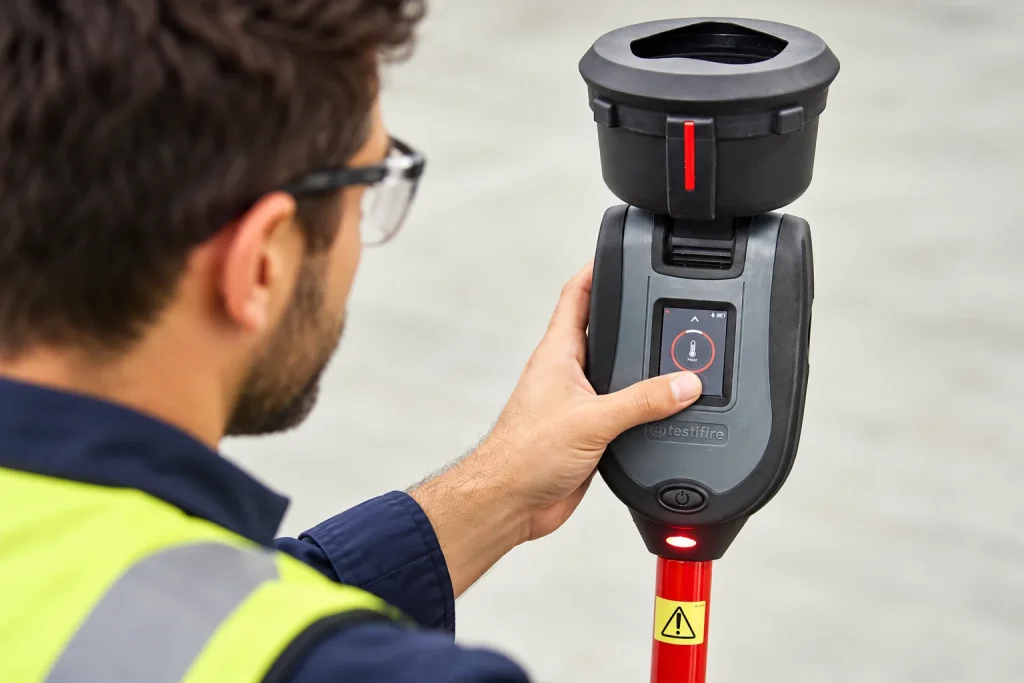
Why Commercial Fire Alarm Maintenance Is a Legal Requirement, Not an Option
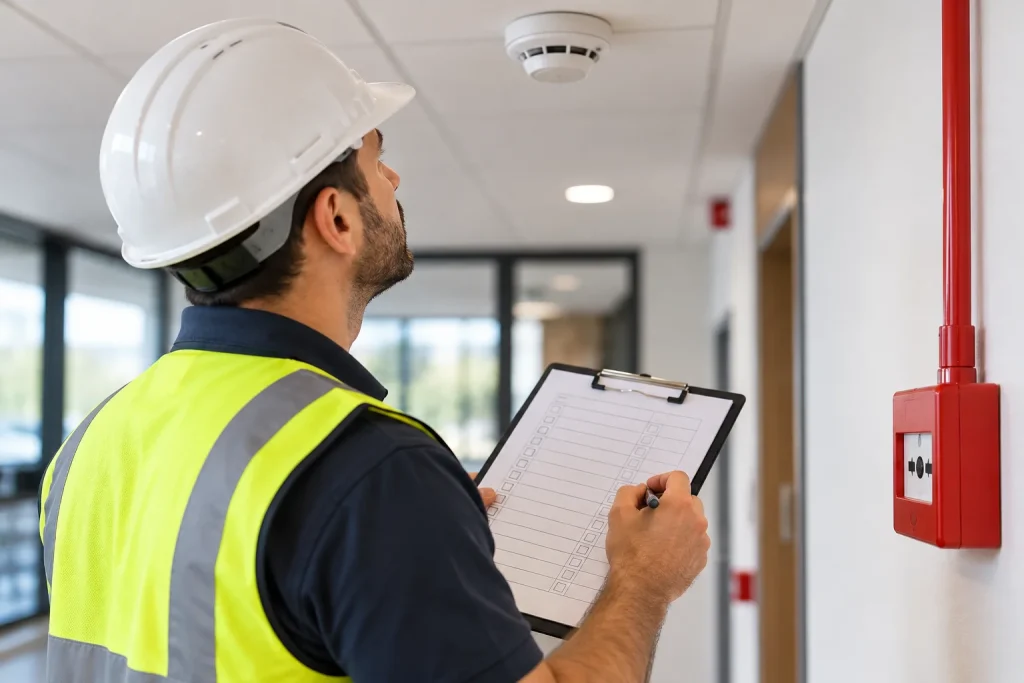
Fire alarm maintenance isn’t something businesses choose to do when it suits them. Under the Regulatory Reform (Fire Safety) Order 2005, the responsible person for any commercial premises is legally required to ensure fire detection and alarm systems are maintained in efficient working order. Failure to do so carries serious consequences, from enforcement notices and fines through to prosecution in the event of an incident.
Beyond the legal obligation, the practical risk is significant. Fire alarm systems in commercial environments are under constant stress. Dust, humidity, temperature fluctuation and general wear all affect performance over time. A system that passed its last inspection can develop faults before the next one is due if nobody is monitoring the detail in between.
Regular, professional maintenance reduces false alarms, extends equipment life, and ensures that when a real fire occurs, detection and evacuation happen as they should. That reliability is what maintenance is actually for.
Our Commercial Fire Alarm Maintenance Services Include
- Scheduled Preventative Maintenance Visits (Six-Monthly and Annual)
- Full System Testing to BS 5839-1 Standards
- Detector Cleaning and Sensitivity Checks
- Battery and Power Supply Testing
- Control Panel Inspection and Fault Diagnostics
- Call Point and Sounder Verification
- Compliance Documentation and Service Reports
- Reactive Callouts and Emergency Repairs
- System Upgrades and Panel Replacements
- Third-Party System Takeovers and Audits
All maintenance work is carried out to current British Standards and documented in a way that satisfies insurers, fire risk assessors and local authority requirements.
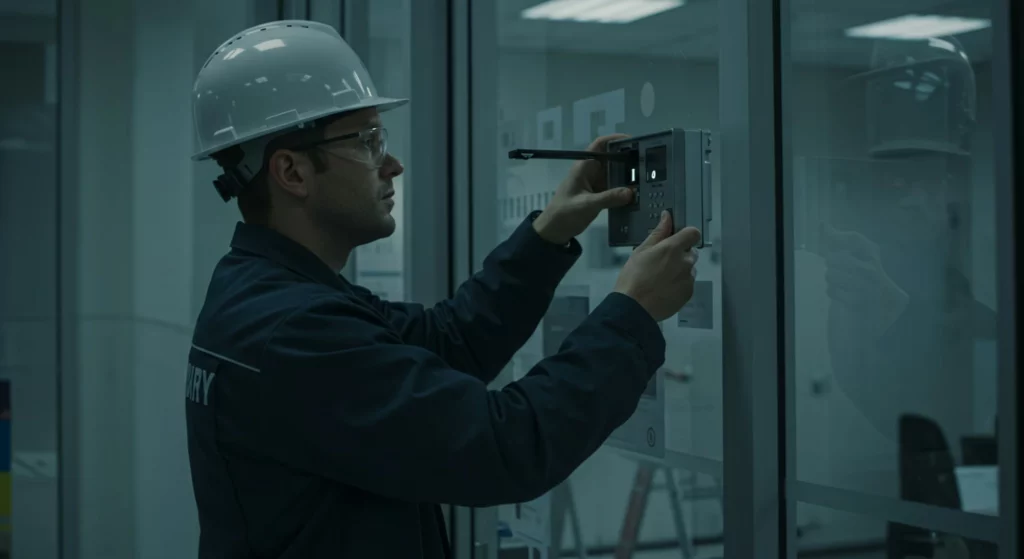
Commercial Fire Alarm Maintenance Built Around How Your Business Operates
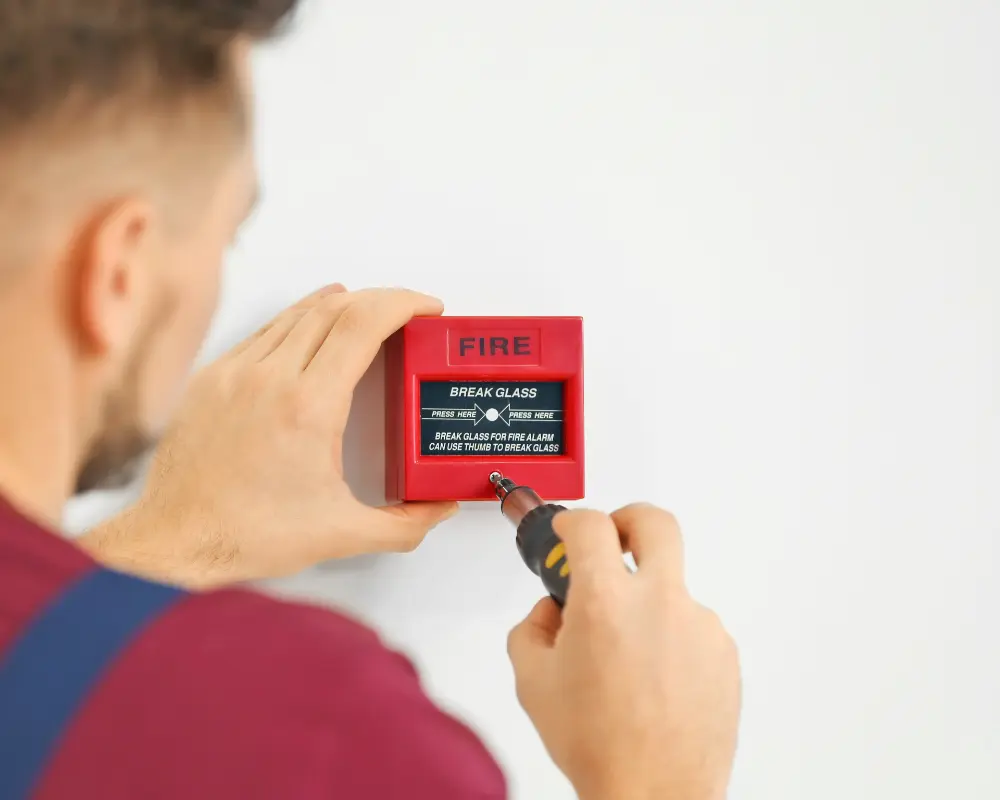
One of the most common problems we encounter is maintenance schedules that were set up without any real thought given to the building or business they serve. A retail unit with a commercial kitchen has very different servicing needs to a multi-floor office building or a logistics warehouse. Cookie-cutter approaches lead to missed faults and unnecessary disruption.
Our maintenance visits are planned with your operational needs in mind. Access requirements, trading hours, staff presence and system complexity all shape how and when we carry out work. We don’t book visits that cause disruption unnecessarily, and we communicate clearly about what we’ve done, what we’ve found, and what, if anything, needs to happen next.
We also take over the maintenance of systems we haven’t installed. If you’ve inherited an existing fire alarm system, changed contractors, or simply aren’t confident your current maintenance is up to standard, we can audit what’s in place and take responsibility for keeping it right going forward.
Integrated Servicing Reduces Gaps and Simplifies Compliance
Fire alarm systems rarely sit in isolation in a commercial building. They interact with emergency lighting, suppression systems, access control and building management systems. When maintenance is managed by separate contractors who never speak to each other, gaps appear. A panel fault that affects both fire detection and door release logic, for example, can go unaddressed because each contractor assumes the other is dealing with it.
Because RJ Wilson delivers both fire and security solutions, we can maintain interconnected systems under one service agreement. This reduces the risk of things falling between contractors, simplifies your compliance documentation, and means one point of contact when something needs resolving quickly.
For businesses managing multiple sites, we can also coordinate visit schedules and centralise reporting so that oversight is straightforward rather than a burden.

Keeping Commercial Fire Alarm Systems Effective Long Term

Buildings change. Businesses grow, layouts shift, occupancy patterns evolve. A fire alarm system that was correctly designed and installed five years ago may no longer provide adequate coverage for how a building is used today. Maintenance visits are the right opportunity to identify these gaps before they become a problem.
Our engineers don’t just test what’s in front of them. They flag when coverage looks insufficient, when equipment is approaching end of life, or when a change in building use might warrant a review of the overall system design. Good maintenance is proactive, not just reactive.
Prompt response when faults do occur is also part of how we work. In commercial environments, a fire alarm system that’s out of action represents both a compliance failure and a genuine safety risk. Fast, reliable callout response is part of the service, not an aftercharge.
Trusted Commercial Fire Alarm Maintenance Across the Midlands
RJ Wilson works with commercial clients ranging from single-site businesses to multi-building estates across Nottingham, Peterborough, Lincoln and the wider Midlands region. We’re chosen by clients who want maintenance carried out properly, reported honestly, and managed without hassle.
If you’re not confident your current fire alarm maintenance is meeting its obligations, or you simply want a clearer picture of the condition of your system, a straightforward conversation is usually the best starting point. We can review what you have, identify any gaps, and put a maintenance agreement in place that actually protects your business.