Fire safety terms drift about like odd bits of jargon, and the L1 category is one that often trips people up. It sounds technical, but really it is just the highest level of automatic fire detection you can fit into a building. The fullest blanket of protection. Every room watched. Every corridor listened to. No blind spots left for a fire to grow quietly.
RJ Wilson works with these systems every day. We provide a full turnkey service for the supply, installation, and maintenance of fire alarms and security systems across Lincolnshire, Cambridgeshire, Nottinghamshire, Leicestershire, and nearby counties. Our clients span businesses, schools, electrical contractors, HMOs, and commercial premises. So we see how L1 systems behave out in the real world and why they matter so much.
Understanding the Basics
The L Group of Fire Alarms
In the UK, life safety fire alarms sit in different categories known as L1 to L5. L5 might only cover specific risks. L4 and L3 focus more on escape routes. L2 stretches deeper into rooms off those routes. And L1 covers everything. It is the top shelf option.
What L1 Really Means
An L1 fire alarm system gives automatic detection in every room where a fire could start. Offices, store rooms, lofts, common areas, cupboards. Early detection is the whole point. The system listens constantly so that the alarms sound while the fire is still tiny.
Why L1 Systems Exist
Early Warning Saves Time
A fire starting in a quiet corner does not announce itself until it has already found strength. L1 systems break that silence. They shout at the first sign of smoke or heat. More time to act usually means fewer injuries and far less damage.
Where You Usually Find L1
L1 systems appear most in care homes, hospitals, hotels, boarding schools and other places where people might be sleeping or slower to react. They also crop up in buildings where downtime would be costly or where the structure itself needs strong protection.
Sometimes It Is Just Peace of Mind
Some owners choose L1 coverage simply because they want the best protection possible. When you have an entire building to think about, the idea of missing a small room can keep you awake at night.
How an L1 System Works
Detectors Everywhere
Smoke detectors in clean areas. Heat detectors in kitchens and dusty spaces. Multi sensors where conditions vary. Every room gets a device that suits its environment.
A Central Panel
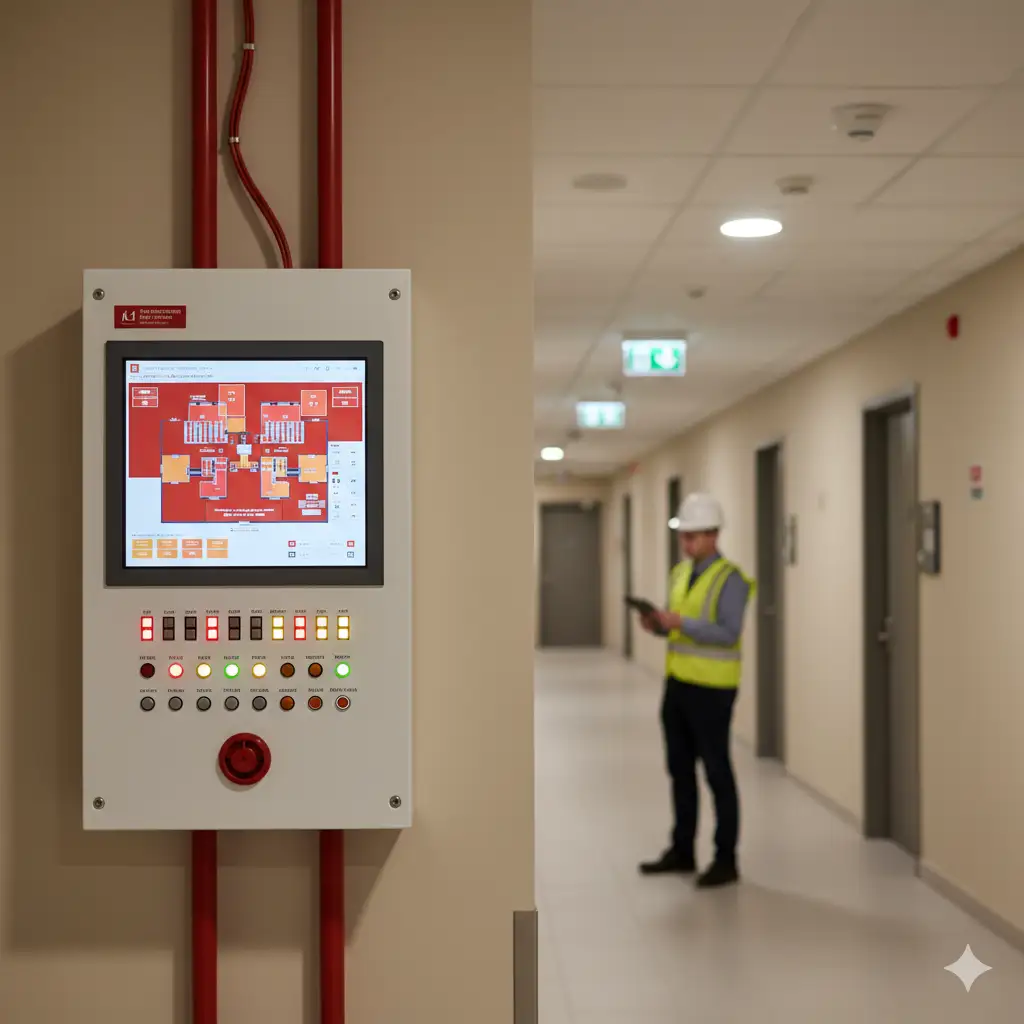
All detectors feed into a control panel that keeps watch. If any sensor signals trouble, the panel triggers alarms and displays exactly where the problem came from.
Sounders and Visual Alerts
Alarms ring throughout the site and beacons often flash too. The goal is simple. Make sure everyone hears and sees the alert fast.
Where L1 Makes the Biggest Difference
Care Homes
Residents may need help to leave. Staff need every second they can get. L1 gives them those seconds.
Hospitals
Evacuation can be slow and delicate. Early warning is essential.
Hotels and Guest Houses
Sleeping guests do not notice smoke. An L1 system makes sure the alarm sounds before things get dangerous.
Schools with Residential Blocks
Students are not always easy to wake or organise. L1 coverage makes evacuation smoother.
Designing and Installing an L1 System
It Starts With a Risk Assessment
A full fire risk assessment helps decide how the system should be laid out and which detectors suit each space.
Picking the Right Detectors
Different rooms need different sensors to avoid false alarms and ensure quick response.
Wiring and Backup Power
Good cabling and reliable backup batteries keep the system running even if the mains fail.
Testing and Commissioning
Every detector is triggered during commissioning. Every sounder checked. Only then is the system ready.
RJ Wilson handles all of this as part of our turnkey service. From early design to final handover, we keep the process tidy and dependable.
Living With an L1 System
Weekly Testing
Regular tests keep confidence high and confirm the system is still wide awake.
Routine Servicing
Dust, ageing electronics and battery wear all affect performance. Professional maintenance at least twice a year keeps everything steady.
Staff Awareness
People need to know how the panel works and what to do when the alarm fires up. Training matters just as much as technology.
Benefits Beneath the Surface
Confidence
Knowing every room is monitored makes life calmer for both residents and staff.
Lower Fire Damage
Fires caught early tend to stay small. Insurance claims shrink. Disruption drops.
Better Culture
Strong systems encourage better habits. People take safety more seriously.
A Few Limitations
Higher Cost
More detectors mean a bigger bill. But compared to the cost of a serious fire, the difference often feels small.
Complexity
There is more to look after. More documentation. More maintenance. But it pays off.
Chance of False Alarms
Poor detector selection or lack of servicing can cause nuisance alarms. Good design avoids this.
Final Thoughts
An L1 fire alarm system is the closest thing to a building wide guardian. It watches the whole place and reacts before flames have the chance to grow bold. If you need full coverage or simply want the strongest possible layer of protection, L1 sits at the top for a reason.
RJ Wilson supports clients across several counties with the design, installation, and maintenance of these systems, keeping buildings safer and people protected. If you need help choosing the right level of coverage or want a full installation handled from start to finish, we are ready when you are.