Fire safety is one of the most important responsibilities any small business owner has. Whether you operate a café, retail shop, office, warehouse, workshop, salon, or industrial unit, the risk of fire is always present. While many business owners focus on day-to-day operations, staffing, and growth, fire safety can sometimes be overlooked until a problem arises. Unfortunately, fire doesn’t provide a warning.
A small electrical fault, unattended equipment, overloaded sockets, or a simple human error can quickly escalate into a serious incident. Within minutes, a fire can damage stock, destroy equipment, disrupt operations, and put employees and customers at risk. For many small businesses, the financial impact of a significant fire can be difficult to recover from, with some never reopening their doors. The good news is that most workplace fires are preventable. By understanding your responsibilities, identifying risks, and implementing appropriate fire safety measures, you can significantly reduce the likelihood of an incident and ensure your business remains compliant with UK legislation.
This guide explains what small businesses need to know about fire safety, the legal requirements involved, and the practical steps you can take to protect your people, property, and future.
Why Fire Safety Matters for Small Businesses
Large organisations often have dedicated health and safety teams managing fire prevention and compliance. Small businesses rarely have that luxury. Owners, managers, and supervisors frequently wear multiple hats, balancing operations, finances, staffing, customer service, and compliance responsibilities simultaneously. As a result, fire safety can sometimes become a reactive task rather than a proactive priority. However, small businesses often face unique vulnerabilities. Many operate from older buildings, converted premises, shared commercial units, mixed-use properties, or buildings with limited fire compartmentation. These environments can present additional challenges when it comes to fire prevention and evacuation planning.
A serious fire can result in temporary or permanent business closure, significant financial losses, injury to employees or customers, damage to reputation, insurance complications, and regulatory investigations. Fire safety isn’t simply about complying with regulations. It’s about protecting livelihoods, preserving business continuity, and ensuring everyone who enters your premises can do so safely.
Understanding Your Legal Responsibilities
In the UK, fire safety legislation places clear responsibilities on business owners and employers. The primary legislation governing commercial fire safety is the Regulatory Reform (Fire Safety) Order 2005. Under this legislation, a designated “Responsible Person” must ensure suitable fire precautions are in place.
The Responsible Person may be a business owner, employer, landlord, facilities manager, or managing agent. Their duties typically include conducting a fire risk assessment, identifying fire hazards, reducing or eliminating risks where possible, providing suitable fire detection systems, maintaining fire safety equipment, ensuring safe evacuation routes, providing staff training, and reviewing fire safety arrangements regularly.
One of the biggest misconceptions among small businesses is that fire safety only applies to larger organisations. In reality, every business has legal responsibilities regardless of size. Failure to comply can result in enforcement notices, substantial fines, prosecution, and increased liability following an incident.
Fire Risk Assessments: The Starting Point for Compliance
Every effective fire safety strategy begins with a fire risk assessment. A fire risk assessment helps identify potential ignition sources, combustible materials, vulnerable occupants, existing fire protection measures, escape route effectiveness, and areas requiring improvement. The assessment forms the foundation for all other fire safety decisions. At RJ Wilson, we often find that businesses install alarms and extinguishers but never review whether those measures still reflect the way the building is used today. Changes such as office refurbishments, additional storage areas, new machinery, increased occupancy, or layout alterations can all affect fire safety requirements. Regular reviews help ensure fire protection measures remain appropriate as businesses evolve.
Common Fire Risks in Small Business Premises
Most workplace fires originate from a relatively small number of causes.
Electrical Equipment
Electrical faults remain one of the most common causes of commercial fires. Common risks include overloaded extension leads, damaged cables, faulty appliances, poorly maintained equipment, and inadequate electrical installations. Routine inspections and PAT testing can help reduce these risks significantly.
Cooking Equipment
Businesses with kitchens face additional fire hazards. Common causes include grease build-up, unattended cooking, faulty extraction systems, and overheated appliances. Regular cleaning and maintenance are essential.
Storage of Combustible Materials
Paper, cardboard, packaging, cleaning products, and chemicals can all contribute to rapid fire spread if not stored correctly. Businesses should ensure combustible materials are kept away from heat sources and ignition risks wherever possible.
Human Error
Simple mistakes often contribute to workplace fires. Examples include leaving equipment switched on, blocking ventilation, improper disposal of waste, and smoking near combustible materials. Good staff training plays a key role in reducing these risks.
Essential Fire Safety Equipment for Small Businesses
Fire safety equipment provides critical protection when an incident occurs.
Fire Alarm Systems
Early detection is one of the most important factors in preventing injury and reducing damage. A suitable fire alarm system should provide occupants with sufficient warning to evacuate safely. Depending on your premises, this may include smoke detectors, heat detectors, manual call points, sounders and visual alarms, or addressable fire alarm systems. The type of system required should be determined through a fire risk assessment.
Fire Extinguishers
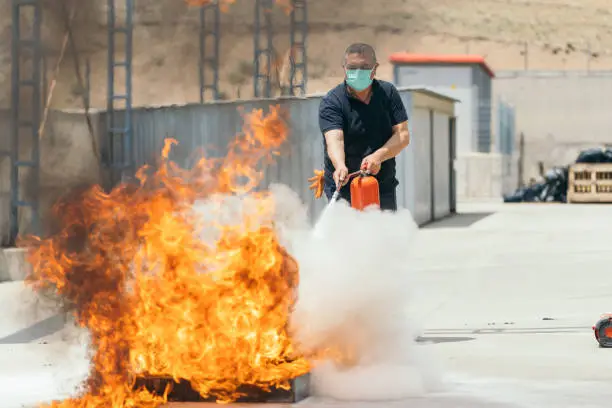
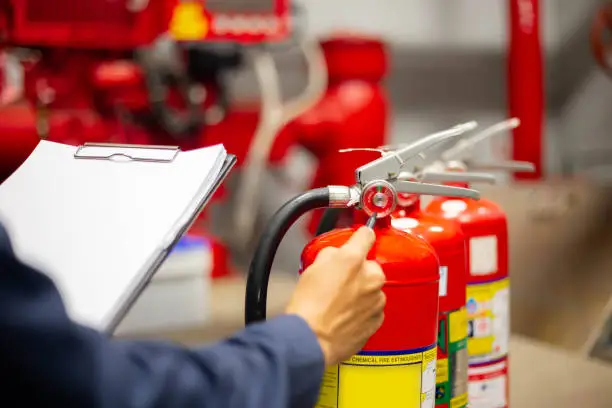
Fire extinguishers remain an important first-response tool. However, different extinguishers are designed for different fire types. Common options include water extinguishers, foam extinguishers, CO₂ extinguishers, dry powder extinguishers, and wet chemical extinguishers. Incorrect extinguisher selection can be ineffective or even dangerous, which is why professional guidance is recommended.
Emergency Lighting
If visibility is reduced due to smoke or power failure, emergency lighting helps occupants navigate escape routes safely. This is particularly important in larger premises, buildings with internal corridors, windowless areas, and multi-storey properties.
Fire Doors
Fire doors play a crucial role in slowing the spread of smoke and flames. Regular inspections should ensure they close correctly, seal properly, remain unobstructed, and have functioning hardware.
Staff Training: The Human Side of Fire Safety
Even the best fire safety equipment relies on people responding correctly during an emergency. Employees should understand fire evacuation procedures, alarm signals, assembly point locations, fire warden responsibilities, and reporting procedures. Regular fire drills help reinforce these processes and identify potential weaknesses before an emergency occurs. Training also helps create a positive safety culture where staff actively identify and report hazards.
Maintaining Fire Safety Systems
Installing fire safety equipment is only part of the process. Ongoing maintenance is essential. Routine maintenance should include fire alarm testing, emergency lighting inspections, extinguisher servicing, fire door checks, and escape route inspections. One of the most common issues identified during fire safety audits is equipment that was installed correctly but has not been maintained adequately. Regular servicing ensures systems remain reliable and compliant.
Fire Safety by Business Type
Different businesses face different fire risks.
Retail Premises
Retail environments should prioritise customer evacuation routes, stockroom protection, electrical safety, and staff training.
Offices
Office environments should focus on electrical equipment management, escape route maintenance, fire alarm coverage, and emergency lighting.
Warehouses
Warehouses often require enhanced detection systems, high-level smoke detection, storage risk management, and vehicle charging safety measures.
Hospitality Businesses
Restaurants, cafés, and pubs face increased risks from cooking equipment, extraction systems, gas appliances, and higher occupancy levels. Tailored fire safety solutions are essential.
Fire Safety Is an Investment, Not an Expense
Some businesses view fire safety purely as a compliance requirement. In reality, effective fire protection provides long-term value. Investing in fire safety helps protect staff and customers, reduce business interruption, protect property and assets, support insurance requirements, demonstrate professionalism, and improve resilience. The cost of prevention is almost always significantly lower than the cost of recovering from a serious fire.
Why Professional Fire Safety Support Matters
Fire safety regulations can appear complex, particularly for small businesses without dedicated safety teams. Professional support helps ensure compliance with current legislation, accurate fire risk assessments, appropriate equipment selection, reliable installation, ongoing maintenance, and access to regulatory updates and advice. Most importantly, it provides confidence that your business is properly protected.
Frequently Asked Questions
Do small businesses need a fire risk assessment?
Yes. Most commercial premises are legally required to have a suitable and sufficient fire risk assessment.
How often should fire alarms be tested?
Commercial fire alarm systems should be tested regularly, with professional servicing carried out at appropriate intervals.
Who is responsible for fire safety in a small business?
The Responsible Person, usually the business owner, employer, landlord, or manager, is responsible for ensuring suitable fire safety measures are in place.
What happens if my business fails a fire safety inspection?
Depending on the severity of the issue, authorities may issue enforcement notices, prohibition notices, or pursue prosecution.
Why Choose RJ Wilson?
At RJ Wilson, we understand the challenges small businesses face when managing fire safety alongside everyday operations. Our experienced team provides practical, straightforward fire protection solutions tailored to the needs of each premises. From fire risk assessments and fire alarm installations to maintenance, servicing, and ongoing compliance support, we help businesses create safer working environments without unnecessary complexity. We work with organisations across Lincolnshire and throughout the UK, delivering reliable fire safety systems that meet current standards and provide genuine peace of mind.
Protect Your Business Before an Emergency Happens
Fire safety is not something to think about after an incident. The most effective protection comes from planning ahead, understanding your risks, and implementing the right measures before they are needed. If you’d like advice on improving fire safety at your premises, arranging a fire risk assessment, or upgrading your fire alarm system, contact RJ Wilson today. Our team is here to help you protect your people, your property, and your business for the future.