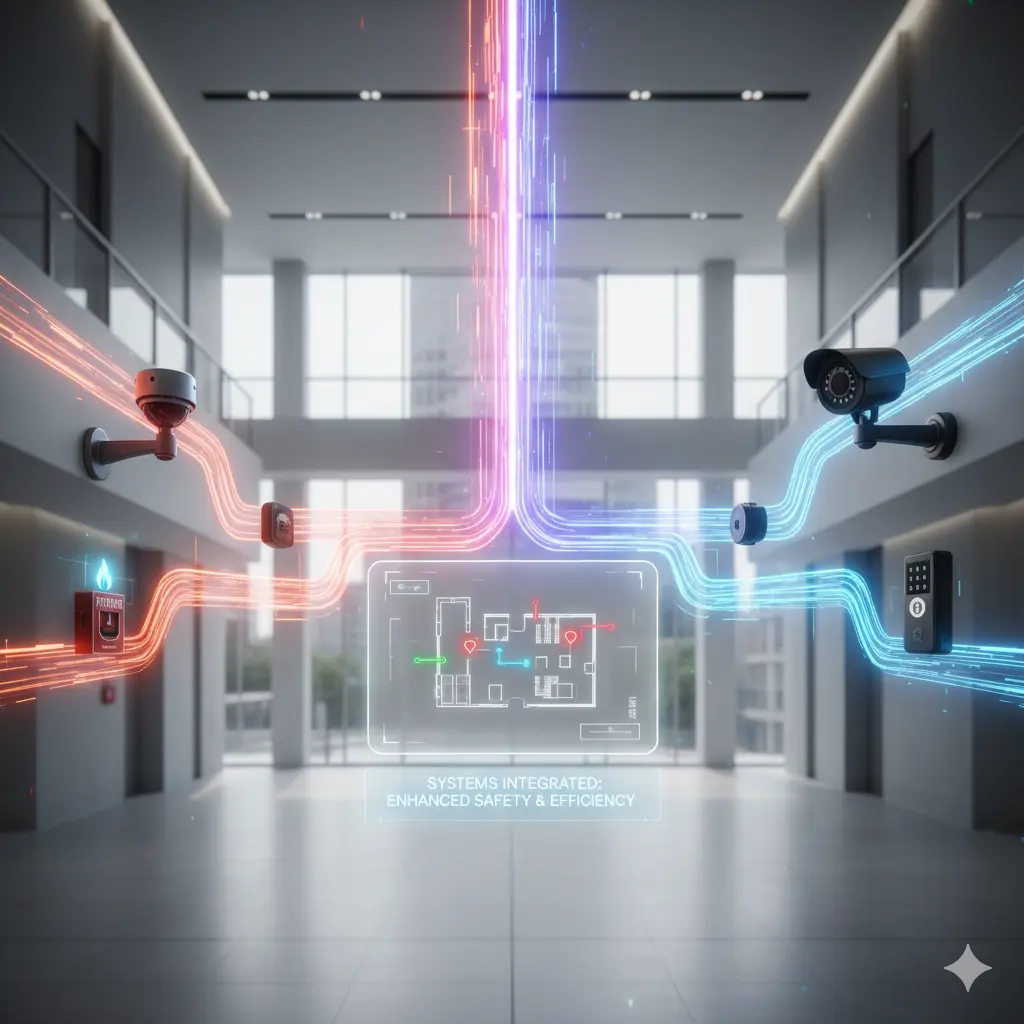
it’s a big deal to make fire alarms and security systems work together. a lot of people think of them as separate things. like, fire stuff is for fires. and security stuff is for bad guys. but connecting them, it just makes everything better. it boosts safety, for sure. and it makes things run smoother.
Better Safety when Systems Talk
think about it. a fire starts. the fire alarm goes off. that’s good. but what if the security system also knows? then it can do things. like unlock doors automatically. so people can get out faster. or it can turn on all the lights. this helps everyone see. especially if it’s dark or smoky.
and if there’s an intruder, the security system shouts. but if the fire system knows, too, it can help. maybe it tells the building management software. then they can see what’s happening. it just adds layers of protection. one system watching another. that’s how you get real safety.
i mean, if a fire alarm rings, and the security cameras point to the fire, that’s useful. the first responders, they get a heads-up. they know where to go. they see the smoke, or where the fire started. this saves time. and saving time in a fire, that saves lives.
it’s not just about big fires either. a small fire. or even just smoke from burnt toast. if the systems are linked, it’s all on one dashboard. you see everything in one place. this stops little problems from becoming big problems. if a smoke detector senses something, the nearest camera can instantly show if it’s an actual fire or just a harmless cooking mishap. this quick verification can prevent unnecessary evacuations and panic.
How it Makes Things Run Smoother
having separate systems is a pain. you got one control panel for fire. another for security. and then probably a different company handles each. it’s a mess.
but when they’re integrated, it’s simple. one system, one interface. you check everything from one spot. this cuts down on mistakes. and it makes training easier. people only learn one system.
and maintenance? way easier. one company can often handle both. or at least they coordinate better. instead of two separate checks, they do one. this saves money too. less downtime for checks. less hassle for you.
think of false alarms. they happen. a lot. a smoke detector goes off when someone burns dinner. if the security system can quickly verify, like with a camera, then maybe you don’t send the fire department right away. this saves resources. and it stops everyone from panicking for nothing.
it’s like having one brain for the building. instead of two or three. all the info goes to that one brain. and it decides what to do. if a door is propped open, the security system sees it. if there’s smoke near that door, the fire system sees it. the brain puts it together. and acts faster.
The Tech Side of Things
it used to be hard to connect these things. different wires. different signals. but now, with modern tech, it’s easier. a lot of systems use the internet. or fancy wireless stuff. so they can talk to each other without a lot of extra work.
you can even get apps on your phone. to check everything. so if you’re not even in the building, you still know what’s going on. a fire alarm goes off. you get an alert. a door opens when it shouldn’t. another alert.
this kind of integration, it’s not just for big businesses. even smaller places. or homes. they can benefit. the cost of doing it is coming down. and the benefits are going up.
i mean, the future is connected. everything talks to everything else. your car talks to your phone. your fridge talks to the grocery store. why should your building’s safety systems be any different? they need to talk. they need to share info. for everyone’s good.
Don’t Fall for Common Traps
some people think it’s too expensive. or too complicated. but that’s often not true anymore. with new technology, it’s more affordable. and simpler to set up. another trap is thinking you only need one or the other. “i have security, so i’m good.” or “i have fire alarms, that’s enough.” but true safety comes from both working together. they cover each other’s blind spots.
you also might hear that different brands won’t work together. sometimes that was true. but many modern systems are designed to be more open. they can communicate across different manufacturers. you just need the right professional to set it up.
Get the Pros Involved
this isn’t a DIY job. not for something as important as safety. you need someone who knows what they’re doing. a professional installer understands both fire codes and security needs. they know how to make sure everything talks right. and they make sure it follows all the rules and regulations.
a good installer will look at your building. they’ll see what you need. they’ll design a system that works best for you. they’ll test it all. and they’ll show you how to use it. getting it done right means peace of mind. trying to do it yourself can lead to big problems later. or worse, it won’t work when you really need it.
so, next time you think about fire alarms or security, think about them together. don’t just put one in. and then later add the other. plan them both at once. make them work as a team. it’s a smarter way to protect people and property. and it makes life a lot simpler.
it’s not just about reacting to a problem. it’s about being proactive. stopping problems before they get too big. or making sure that if something bad does happen, you’re ready. you have all your defenses linked up. working as one strong unit.