Fire safety regulations are not just a legal requirement. They protect lives, safeguard property, and keep businesses running without disruption. For organisations across the UK, understanding and complying with fire safety laws is essential. Whether you run a small office, a warehouse, a retail space, or a large commercial site, the responsibility to maintain a safe environment falls on you.
At Marlowe Fire & Security, we work with businesses across Greater Manchester and beyond to help them stay compliant, reduce risk, and create safer workplaces. This guide explains what fire safety regulations involve, who is responsible, and how to ensure your organisation meets the standards expected under UK law.
Why Fire Safety Regulations Matter
Fires can start in seconds and spread rapidly. In commercial environments, they often result in serious financial loss, operational downtime, and potential injury. In the worst cases, they can lead to fatalities.
Fire safety regulations exist to reduce these risks. They set out clear expectations for prevention, detection, and emergency response. These laws are designed to ensure that:
- People can exit buildings safely in an emergency
- Fire risks are identified and controlled
- Equipment is properly maintained
- Staff know what to do if a fire occurs
Compliance is not just about avoiding fines. It is about protecting employees, customers, and assets. A well-managed fire safety system builds confidence and shows a genuine commitment to safety.
Understanding UK Fire Safety Law
The main legislation that governs fire safety in England and Wales is the Regulatory Reform (Fire Safety) Order 2005. This law applies to nearly all non-domestic premises, including offices, shops, schools, warehouses, and communal areas in residential buildings.
The law places responsibility on a designated person, often known as the Responsible Person. This is usually the business owner, employer, landlord, or anyone with control over the premises.
The Responsible Person must take reasonable steps to reduce fire risks and ensure people can escape safely if a fire occurs. This includes carrying out a fire risk assessment, implementing safety measures, and maintaining fire protection systems.
Failure to comply can lead to serious consequences, including fines, prosecution, and even imprisonment in severe cases.
What Is a Fire Risk Assessment?
A fire risk assessment is the foundation of fire safety compliance. It is a structured review of your premises to identify fire hazards and evaluate the risk to people.
A proper assessment should include:
- Identifying potential sources of ignition, fuel, and oxygen
- Determining who may be at risk
- Evaluating existing safety measures
- Recommending improvements where needed
- Recording findings and reviewing them regularly
This is not a one-time task. Fire risk assessments should be updated when there are changes to the building, processes, or staff numbers. Regular reviews ensure your safety measures remain effective.
Many businesses choose to work with fire safety specialists to ensure assessments are thorough and compliant.
Key Fire Safety Responsibilities for Businesses
Complying with fire safety regulations involves more than just paperwork. It requires active management and ongoing attention. Here are the core responsibilities every organisation should understand.
1. Fire Detection and Alarm Systems
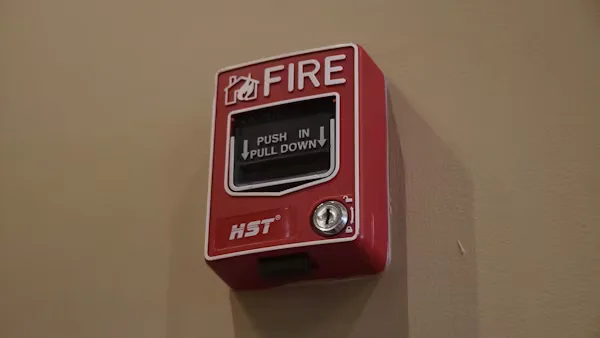
Early detection saves lives. A suitable fire alarm system should be installed and maintained to provide timely warnings. The type of system needed depends on the size and use of the building.
Regular testing and servicing are essential to ensure the system works when needed.
2. Fire Fighting Equipment
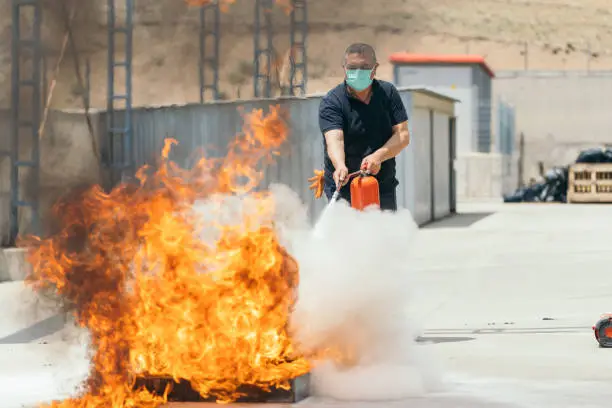
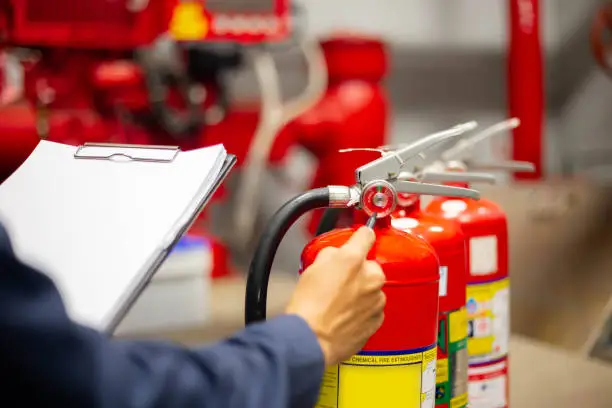
Fire extinguishers must be available, correctly located, and suitable for the types of risks present. Staff should know where they are and how to use them safely.
Equipment must be inspected and serviced regularly to remain compliant.
3. Emergency Lighting
In the event of a fire, power may fail. Emergency lighting helps people find their way to exits safely. This is especially important in larger or more complex buildings.
4. Clear Escape Routes
All exits and escape routes must be clearly marked, unobstructed, and easy to use. Fire doors should be kept closed and maintained to prevent the spread of smoke and flames.
5. Staff Training
Employees need to know what to do in an emergency. Fire safety training should cover evacuation procedures, alarm signals, and basic use of fire extinguishers.
Regular drills help ensure everyone understands their role and can act quickly.
6. Maintenance and Record Keeping
Fire safety systems must be maintained in line with legal and manufacturer requirements. Records should be kept to show inspections, testing, and servicing have taken place.
This documentation is often requested during inspections by fire authorities.
Common Fire Safety Risks in Commercial Settings
Every workplace has unique risks, but some hazards appear more often than others. Being aware of these helps businesses take proactive steps to reduce danger.
Common risks include:
- Faulty electrical equipment
- Overloaded sockets and extension leads
- Poor housekeeping and clutter
- Flammable materials stored incorrectly
- Kitchens and cooking equipment
- Heating systems
Identifying these early and putting control measures in place is one of the most effective ways to prevent fires from starting.
How Fire Safety Regulations Impact Different Industries
Fire safety requirements can vary depending on the type of premises and the activities taking place inside.
For example:
- Offices may focus on electrical safety and evacuation planning
- Warehouses may have higher risks due to stored goods and machinery
- Retail spaces must consider customer safety and clear exits
- Industrial sites often deal with flammable materials and specialised equipment
Each environment needs a tailored approach. A one-size-fits-all solution rarely provides the level of protection needed.
The Cost of Non-Compliance
Ignoring fire safety regulations can have serious consequences. Beyond legal penalties, there are long-term impacts that can damage a business.
These include:
- Fines and enforcement notices
- Temporary or permanent closure of premises
- Damage to reputation
- Increased insurance premiums
- Loss of customer trust
In contrast, investing in proper fire safety measures shows responsibility and professionalism. It reassures employees and customers that safety is taken seriously.
The Role of Professional Fire Safety Support
Managing fire safety internally can be challenging, especially for growing businesses. Regulations can feel complex, and keeping up with maintenance, inspections, and documentation takes time.
Working with a professional fire and security provider offers several advantages:
- Expert guidance on compliance
- Professional fire risk assessments
- Installation of high-quality fire detection systems
- Ongoing maintenance and servicing
- Support with training and safety planning
This approach helps ensure nothing is overlooked and that your systems remain effective year after year.
Keeping Your Fire Safety Strategy Up to Date
Fire safety is not static. As businesses evolve, so do their risks. New equipment, layout changes, or increased staff numbers can all affect safety requirements.
Regular reviews help keep your strategy aligned with current needs. It is important to:
- Reassess risks when changes occur
- Update evacuation plans if layouts shift
- Ensure new staff receive training
- Maintain systems to the highest standard
A proactive approach helps prevent problems before they arise.
Creating a Culture of Safety
Compliance is the starting point, not the finish line. The most effective fire safety strategies are built on awareness and responsibility.
Encouraging staff to report hazards, keeping workspaces tidy, and reinforcing training all help create a safer environment. When safety becomes part of daily routines, risks are reduced naturally.
Leadership plays a key role here. When business owners and managers prioritise fire safety, it sets the tone for the entire organisation.
Why Choose Marlowe Fire & Security?
At Marlowe Fire & Security, we understand that no two businesses are the same. Based in Greater Manchester, we support organisations across the UK with tailored fire safety solutions designed to meet legal requirements and provide real peace of mind.
Our team works closely with businesses to identify risks, implement effective protection, and maintain compliance over time. From fire alarm systems and risk assessments to ongoing servicing and support, we deliver reliable, professional solutions that keep people and premises safe.
We focus on long-term partnerships, helping our clients stay protected as their needs grow and change.
Take the Next Step Towards Compliance
Fire safety regulations can feel overwhelming, but you do not have to manage them alone. With the right support, staying compliant becomes straightforward and stress free.
If you want to protect your staff, secure your premises, and ensure your business meets UK fire safety standards, Marlowe Fire & Security is here to help. Our experienced team can assess your current setup, identify improvements, and provide tailored fire and security solutions that suit your environment.
Get in touch today to learn more about our fire safety or our security services and how we can support your business. Let us help you build a safer, more secure workplace with reliable systems, expert guidance, and ongoing support you can trust.