Fire safety is not something any organisation can afford to overlook. A single incident can lead to devastating consequences, from serious injury and loss of life to business disruption, financial damage, and reputational harm. For businesses across the UK, carrying out a fire risk assessment is not just best practice. It is a legal responsibility.
Whether you manage an office, warehouse, retail space, or industrial site, understanding your fire risks is essential. A thorough assessment helps you identify potential hazards, protect your staff and visitors, and ensure your premises meet safety regulations.
This guide explains what a fire risk assessment is, why it matters, what it involves, and how professional support can help you stay compliant and protected.
What is a Fire Risk Assessment?
A fire risk assessment is a structured review of a building to identify fire hazards, evaluate the likelihood of a fire starting, and determine how those risks can be reduced or controlled.
It looks at key factors such as:
- Sources of ignition like electrical equipment, heating systems, and cooking appliances
- Materials that could fuel a fire, including paper, stock, chemicals, and waste
- The people at risk, including employees, visitors, and vulnerable individuals
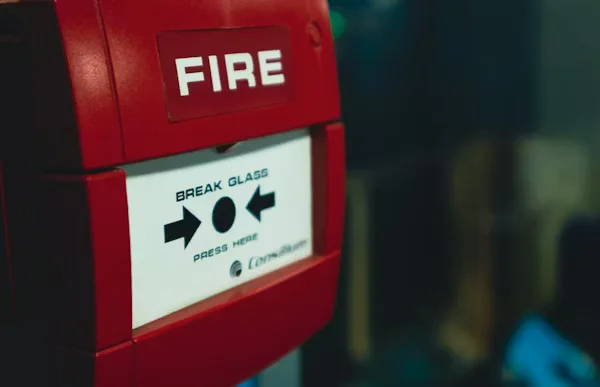
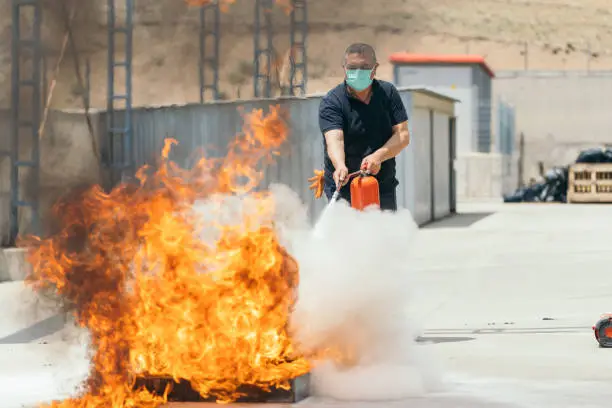
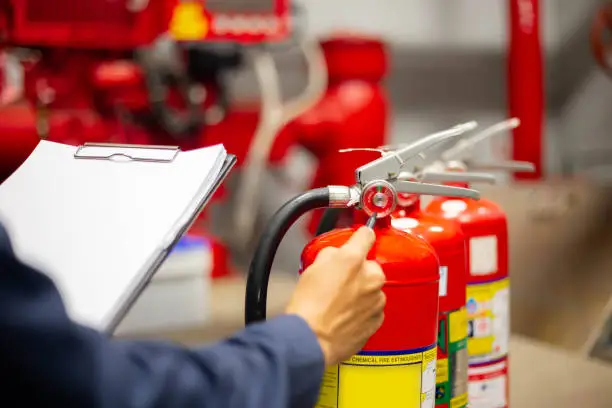
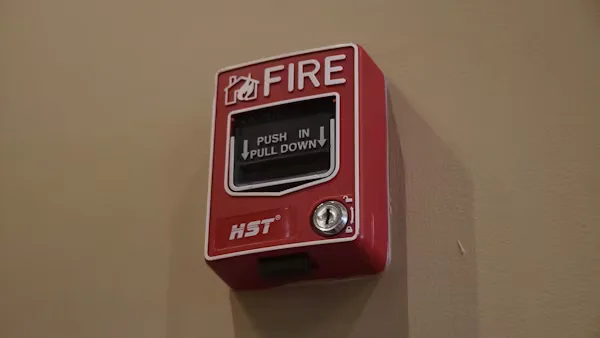
- Existing fire safety measures, such as alarms, extinguishers, and escape routes
The aim is simple. Spot the dangers before they become a problem and take action to prevent them.
In the UK, most non-domestic premises must have a suitable and sufficient fire risk assessment in place. This applies to offices, shops, factories, rental properties, and many other environments.
Why Fire Risk Assessments Are So Important
Fires can start quickly and spread even faster. Without the right precautions, a small issue can escalate into a major emergency in minutes.
A well-planned fire risk assessment helps to:
Protect Lives
Your staff, customers, and visitors rely on you to keep them safe. Identifying fire risks and putting control measures in place reduces the chance of injury or worse.
Meet Legal Responsibilities
Under UK fire safety law, the responsible person for a premises must ensure a fire risk assessment is carried out and kept up to date. Failure to comply can lead to fines, enforcement action, or even prosecution.
Reduce Business Disruption
A fire can stop operations overnight. Damage to property, stock, and equipment can take months to recover from. Prevention is always more cost effective than dealing with the aftermath.
Protect Your Reputation
Safety failures can damage trust. Showing that you take fire safety seriously reassures staff, customers, and partners that your business is responsible and well managed.
Who Is Responsible for Fire Risk Assessments?
In most workplaces, the responsibility falls to the “responsible person.” This is typically:
- The business owner
- The employer
- The building manager
- The landlord in some shared premises
This person must ensure a fire risk assessment is completed and that appropriate safety measures are in place. They also need to review the assessment regularly, especially when there are changes to the building, staff numbers, or operations.
While some smaller businesses may choose to carry out their own assessments, many organisations prefer to work with experienced fire safety professionals. This helps ensure nothing is missed and that the assessment meets legal expectations.
What Does a Fire Risk Assessment Involve?
A professional fire risk assessment follows a clear process. It is detailed, methodical, and tailored to the specific premises.
1. Identifying Fire Hazards
The first step is to look for anything that could cause a fire. This might include faulty wiring, overloaded sockets, flammable liquids, or poorly maintained equipment.
At the same time, assessors consider materials that could help a fire spread, such as paper storage, packaging, or textiles.
2. Identifying People at Risk
Different people may face different levels of risk. For example:
- Staff working late or alone
- Visitors unfamiliar with the building
- People with mobility issues
Understanding who might need extra support during an evacuation is a key part of the process.
3. Evaluating Risk Levels
Once hazards and risks are identified, the next step is to judge how likely a fire is to start and how serious the consequences could be.
This helps prioritise actions and improvements.
4. Reviewing Existing Safety Measures
An assessment looks at what protection is already in place, including:
- Fire alarm systems
- Emergency lighting
- Fire extinguishers
- Escape routes and signage
- Staff training and procedures
These measures are checked to ensure they are suitable, working properly, and adequate for the size and type of premises.
5. Recommending Improvements
If any gaps are identified, clear recommendations are provided. This might include upgrading equipment, improving escape routes, or providing staff training.
6. Recording Findings
For many businesses, especially those with five or more employees, the significant findings of the assessment must be documented.
This record acts as proof of compliance and a guide for ongoing safety management.
How Often Should Fire Risk Assessments Be Reviewed?
A fire risk assessment is not something you do once and forget. It should be reviewed regularly to make sure it still reflects the reality of your premises.
You should consider a review when:
- The layout of the building changes
- New equipment or processes are introduced
- Staffing levels increase
- There has been a fire or near miss
- Regulations are updated
Even without major changes, a periodic review helps ensure standards remain high.
Common Fire Risks in UK Workplaces
Different environments face different challenges, but some risks are seen again and again.
Electrical faults are a leading cause of workplace fires. Overloaded circuits, damaged cables, and poorly maintained equipment can all create danger.
Poor housekeeping is another major factor. Waste build-up, cluttered storage areas, and blocked exits increase both fire risk and evacuation difficulty.
Human behaviour also plays a part. Smoking in unauthorised areas, misuse of equipment, and lack of awareness can all contribute to incidents.
A strong fire risk assessment highlights these issues and helps create a safer environment for everyone.
The Value of Professional Support
Carrying out a fire risk assessment may sound straightforward, but in reality, it requires experience and attention to detail.
Professional assessors know what to look for and understand how regulations apply in different settings. They can spot risks that might be easy to miss and provide practical advice that fits your business.
Working with experts also gives you confidence that your assessment is robust, compliant, and up to date.
For larger or more complex premises, this level of support is especially important.
Beyond Compliance: Creating a Culture of Safety
A fire risk assessment is more than just a document. It is part of a wider approach to safety.
When businesses take fire safety seriously, it shapes how staff think and act. Training, clear procedures, and visible safety measures all contribute to a culture where everyone feels responsible for prevention.
This reduces risk not just on paper, but in day to day operations.
Fire Risk Assessments in Greater Manchester and Beyond
Businesses across Greater Manchester operate in a wide range of environments. From city centre offices and retail units to industrial facilities and warehouses, each space has its own risks and requirements.
Local knowledge matters. Understanding the types of buildings, common hazards, and operational challenges in the area helps ensure assessments are accurate and relevant.
Partnering with a trusted fire and security provider gives you access to that expertise and ongoing support as your business grows and changes.
Choosing the Right Fire Safety Partner
When selecting a provider for your fire risk assessment, it is important to look for experience, professionalism, and a clear understanding of UK regulations.
A strong partner will not only carry out the assessment but also help you act on the findings. That might include installing or maintaining fire alarms, emergency lighting, and other safety systems.
The right support turns a one-off assessment into a long term safety strategy.
Take the Next Step Towards Safer Premises
At Marlowe Fire & Security, we work with businesses across Greater Manchester and the wider UK to deliver professional fire risk assessments tailored to each site. Our experienced team helps identify hazards, strengthen safety measures, and ensure you meet your legal responsibilities with confidence.
If you want to protect your people, property, and operations, now is the time to act. Learn more about our fire risk assessment services and discover how our expertise can support your business. Get in touch with Marlowe Fire & Security today to arrange a consultation and take a proactive step towards safer, compliant premises.