Keeping your workplace safe from fire isn’t just a tick-box exercise, it’s a legal responsibility. The law says that the person in charge of your premises must make sure there are suitable fire alarms in place. But how do you check they’re actually working, and how often should this be done? Let’s go through it.
What Types of Fire Alarms Are There?
Fire alarms basically work in two ways: manual or automatic.
Manual Alarms
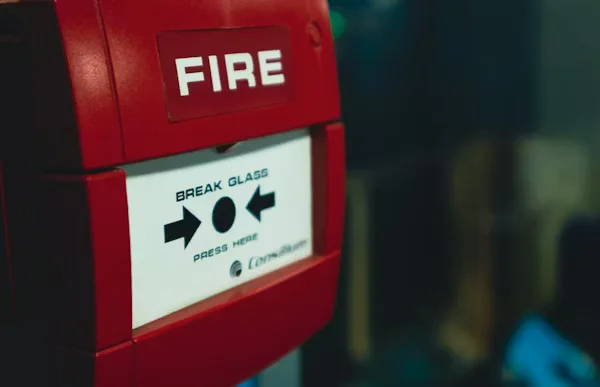
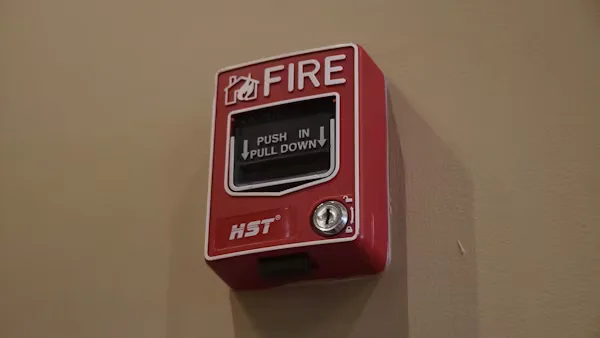
Manual alarms need someone to spot a fire and press a call point. These are usually along escape routes and near fire exits. Extra call points are often needed in higher-risk spots like kitchens, laundries, or plant rooms.
Automatic Alarms
Automatic systems work on smoke or heat detectors, so the alarm goes off even if no one is around. Most also let someone manually trigger the alarm if needed.
You’ll also hear about conventional and addressable systems. Conventional alarms show which “zone” is affected, like the warehouse or ground floor. Addressable systems give the exact location, like the boiler room detector or rear exit call point. Your fire risk assessment will help you figure out what you need.
How Often Should You Test Your Fire Alarms?
Weekly is the rule for commercial premises. This makes sure everything is working and spots any issues before they become serious.
- In small buildings, one device a week is enough — you can rotate them so all are tested over a couple of months.
- In larger buildings, it makes sense to check two or three each week to keep up with everything.
Who Can Test the Alarms?
Testing a fire alarm is pretty straightforward. The building’s occupier or someone they appoint can do it. They don’t need to be a specialist, but a quick briefing from a competent person helps make sure the tests are done properly.
Who’s Responsible?
The “responsible person” is usually the employer, building owner, or whoever’s in control of the premises for business purposes.
How to Test Your Fire Alarm
- Daily check: If the control panel is in a place where a fault signal might go unnoticed, check it daily to make sure everything looks normal.
- Weekly test: Press a call point, check the alarm is heard at the main panel, have a quick test chat if needed, then reset the call point and panel.
- Rotate devices: Test a different device each week so nothing gets missed.
- ARC-linked systems: If your alarm is linked to an alarm receiving centre, let them know before and after testing to avoid false alarms.
Keep a Log
Write down every test in a fire logbook. Note which device was tested and any faults. Any problems should be passed on to a competent person to fix.
What’s a Competent Person?
A competent person has the training and know-how to handle fire alarm systems. Usually this is a qualified contractor with proper accreditation, like BAFE.
Annual Servicing
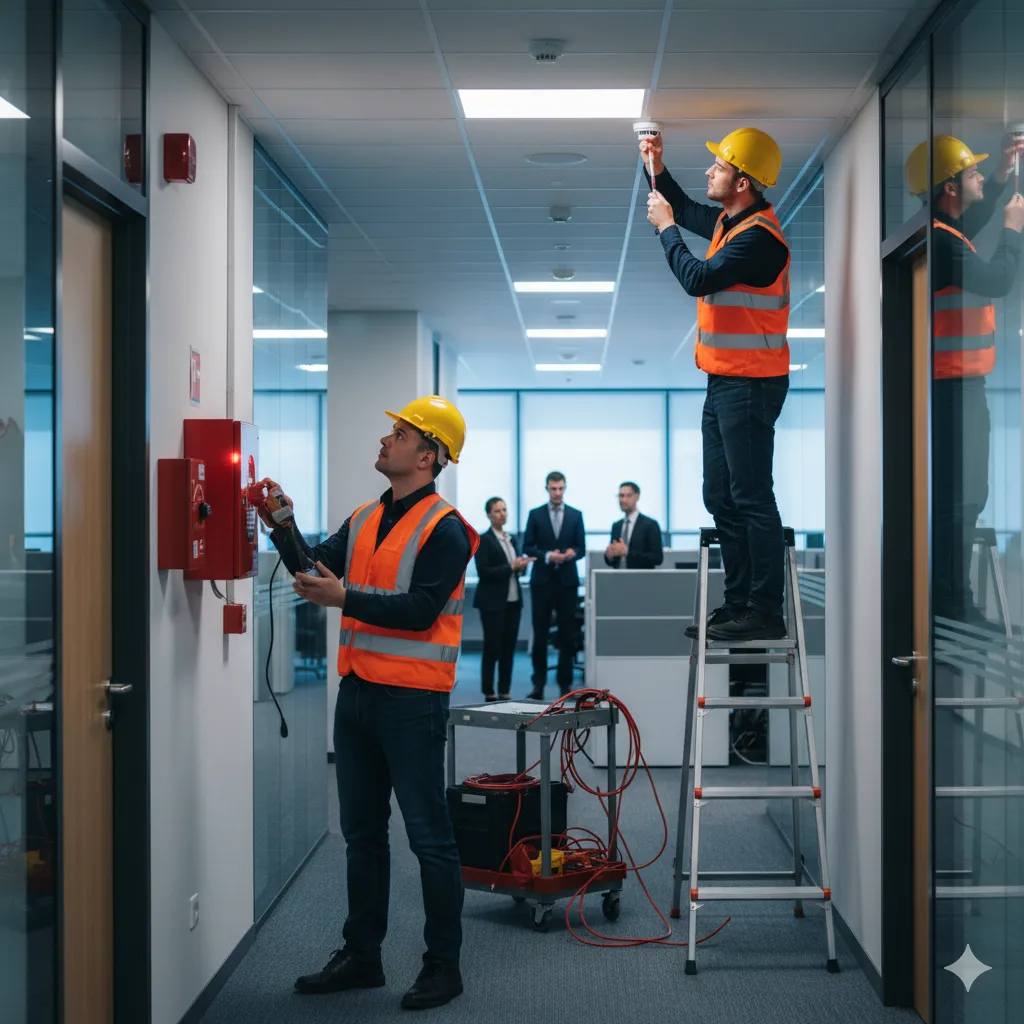
Even with weekly checks, your system still needs a proper annual service. This includes:
- Testing every call point manually
- Checking all automatic devices like smoke and heat detectors
- Making sure alarms are loud enough and signals reach where they should
- Looking for wiring or system faults
- Spotting building changes that could affect the system
- Investigating any false alarms
Once done, a certificate of conformity should be issued to show the system is up to scratch.