Fire safety compliance is not just a legal obligation. It is a responsibility that protects people, property, and the future of your business. Every year, workplace fires cause disruption, financial loss, and in some cases serious harm. Most of these incidents are preventable when the right systems, processes, and expertise are in place.
For businesses across the UK, understanding fire safety compliance can feel complex. Regulations change, responsibilities vary depending on the building, and there are many elements to manage. From fire alarms and extinguishers to risk assessments and staff training, everything must work together to create a safe environment.
At Marlowe Fire & Security, we support organisations across Greater Manchester and the wider UK with practical, reliable fire safety solutions. In this guide, we will walk through what fire safety compliance means, why it matters, and how businesses can stay protected.
What Is Fire Safety Compliance?
Fire safety compliance is the process of meeting the legal and safety requirements designed to prevent fires and protect people if one occurs. It covers the installation, maintenance, and management of fire protection systems, along with clear planning and procedures.
For most organisations, this includes:
- Conducting a fire risk assessment
- Installing appropriate fire detection and alarm systems
- Maintaining fire extinguishers and emergency lighting
- Creating evacuation plans
- Training staff in fire safety procedures
- Keeping detailed records and maintenance logs
These requirements apply to a wide range of premises. Offices, retail stores, warehouses, factories, schools, healthcare settings, and residential buildings all have responsibilities under UK fire safety law.
Compliance is not a one-time task. It is an ongoing process that requires regular checks, updates, and professional support.
Why Fire Safety Compliance Matters
The most important reason to prioritise fire safety compliance is simple. It saves lives.
A well prepared business can respond quickly in an emergency. Staff know what to do. Alarm systems activate without delay. Escape routes are clear and visible. Emergency lighting works when it is needed most.
Beyond safety, there are other major reasons to stay compliant.
Legal Responsibility
UK legislation places clear duties on business owners, landlords, and those responsible for managing premises. Failure to meet these duties can result in enforcement action, fines, and even prosecution in serious cases.
Being compliant demonstrates that you are taking your responsibilities seriously and protecting the people who rely on your premises every day.
Business Continuity
A fire can cause severe damage in a matter of minutes. Even a small incident can lead to weeks or months of downtime. Lost revenue, damaged equipment, and disruption to operations can affect a company long after the fire itself.
Strong fire safety measures reduce the risk of incidents and help businesses recover faster if something does happen.
Insurance Protection
Insurance providers often require evidence of proper fire safety systems and maintenance. Without compliance, claims may be delayed or rejected. Keeping your systems properly maintained helps protect your coverage and gives peace of mind.
Reputation and Trust
Customers, staff, and visitors expect safe environments. Showing that your business takes fire safety seriously builds confidence and trust. It also reflects a commitment to professionalism and care.
Understanding Your Responsibilities
In most workplaces, a “responsible person” must be appointed to manage fire safety. This is often the employer, building owner, or facilities manager. Their role is to make sure that fire risks are identified and controlled.
Key responsibilities usually include:
- Carrying out regular fire risk assessments
- Making sure fire detection systems are installed and maintained
- Keeping escape routes clear and properly marked
- Providing staff training and fire drills
- Reviewing safety procedures regularly
While some organisations manage this internally, many choose to work with fire safety specialists to ensure nothing is missed.
The Role of Fire Risk Assessments
A fire risk assessment is the foundation of fire safety compliance. It identifies potential hazards, evaluates the risk, and outlines the steps needed to reduce or remove those risks.
This process looks at:
- Sources of ignition such as electrical equipment
- Flammable materials and storage areas
- The number of people on site
- Emergency exits and escape routes
- Fire detection and alarm systems
The assessment should be reviewed regularly, especially if there are changes to the building, processes, or occupancy levels.
A thorough, professional assessment helps ensure that your fire safety measures are suitable for your specific environment.
Fire Detection and Alarm Systems
Early detection is critical. A reliable fire alarm system can mean the difference between a small incident and a major emergency.
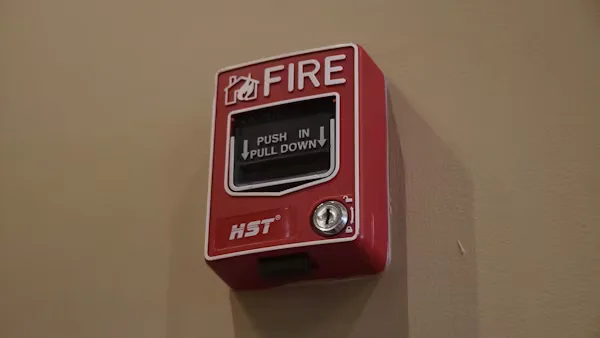
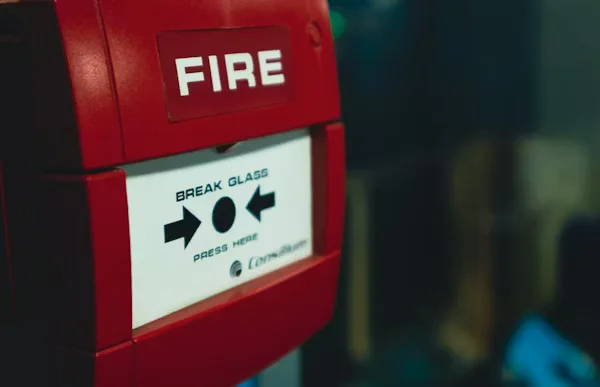
Modern fire detection systems are designed to identify smoke or heat quickly and alert people across the building. They can also be connected to monitoring services that notify emergency responders when alarms are triggered.
Regular servicing and maintenance are essential. Systems must be checked to make sure they are working correctly and meeting current standards. Faulty alarms, outdated equipment, or poor coverage can leave businesses vulnerable.
Fire Extinguishers and Equipment
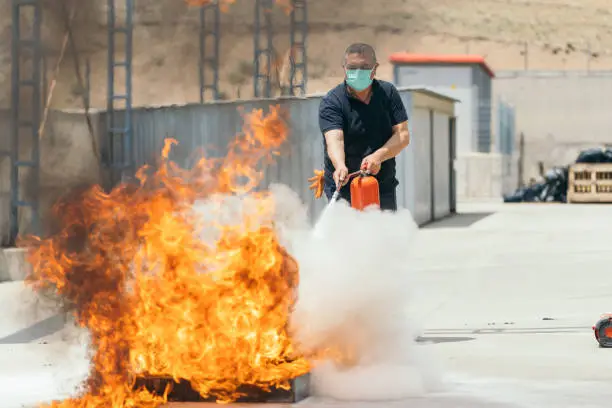
Fire extinguishers are a key part of fire safety compliance. They provide a first line of defence for small fires and help prevent them from spreading.
However, not all extinguishers are the same. Different types are designed for different fire risks, such as electrical fires or flammable liquids. Choosing the right equipment and placing it in the correct locations is important.
Regular inspections and servicing ensure that extinguishers remain in good working order and are ready when needed.
Emergency Lighting and Escape Routes
In an emergency, people need to be able to exit a building quickly and safely. This becomes even more important if visibility is reduced by smoke or if power is lost.
Emergency lighting helps guide occupants to safety. Clear signage, well marked exits, and unobstructed escape routes all play a vital role in evacuation.
Routine checks should be carried out to confirm that lighting systems are functioning and escape routes remain accessible.
Staff Training and Fire Drills
Fire safety compliance is not just about equipment. People play a central role in keeping workplaces safe.
Staff should understand:
- How to raise the alarm
- Where the nearest exits are
- What to do during an evacuation
- How to use fire extinguishers where appropriate
Regular fire drills help reinforce these procedures. They give employees confidence and ensure everyone knows what to do if an emergency happens.
Training should be updated when new staff join or when there are changes to the building layout or safety systems.
Common Challenges Businesses Face
Many organisations struggle with fire safety compliance because it can be difficult to manage alongside daily operations. Some common challenges include:
- Keeping track of maintenance schedules
- Staying up to date with changing regulations
- Managing multiple sites with different requirements
- Ensuring documentation is accurate and complete
Without expert support, it is easy for gaps to appear. Even small oversights can increase risk and lead to compliance issues.
This is why many businesses choose to work with professional fire safety providers who can manage systems, maintenance, and compliance requirements on their behalf.
The Value of a Proactive Approach
Fire safety should never be reactive. Waiting until something goes wrong can have serious consequences.
A proactive approach means regularly reviewing your systems, identifying potential risks early, and making improvements before problems develop.
It also means working with experienced professionals who understand the latest standards and can help you stay compliant as your business grows and changes.
Fire Safety Compliance for Different Types of Premises
Every building has unique requirements. A small office has different risks compared to a large industrial warehouse or a residential property.
Factors that influence fire safety planning include:
- Size and layout of the premises
- Number of occupants
- Type of activities carried out
- Storage of hazardous materials
- Level of public access
Because of this, there is no single solution that works for everyone. Fire safety systems and procedures must be tailored to suit the environment.
This is where expert guidance makes a real difference. A professional provider can assess your site and recommend the most suitable solutions for your needs.
Staying Compliant Over Time
Fire safety compliance is an ongoing commitment. Systems must be maintained, documentation kept up to date, and risk assessments reviewed regularly.
Key steps to stay compliant include:
- Scheduling regular inspections and servicing
- Keeping clear records of all maintenance work
- Reviewing fire risk assessments annually
- Updating training and procedures as needed
Consistency is essential. When compliance becomes part of everyday operations, it becomes much easier to manage.
How Professional Support Helps
Managing fire safety internally can be time consuming and complex. Partnering with a specialist provider offers reassurance that everything is being handled correctly.
Professional support can include:
- Expert fire risk assessments
- Installation of fire detection and alarm systems
- Ongoing maintenance and servicing
- Compliance advice and guidance
- Staff training and support
Having a single, trusted provider ensures that all elements of fire safety work together effectively.
Protect Your Business with Marlowe Fire & Security
Fire safety compliance is about more than meeting legal requirements. It is about protecting your people, your property, and your future. With the right systems and support in place, you can reduce risk, stay compliant, and operate with confidence.
At Marlowe Fire & Security, we work with businesses across Greater Manchester and throughout the UK to deliver reliable, fully managed fire protection solutions. From fire risk assessments and alarm installations to ongoing maintenance and compliance support, our experienced team is here to help you stay safe and prepared.
If you want to strengthen your fire safety strategy and ensure your business is fully compliant, now is the time to take action. Speak to our team today to learn more about our fire and security services and discover how we can help protect what matters most.